Pages

Sunday, November 19, 2017

Oral Communication for Intermediate Grades

The thought of public speaking can make most stomach's turn. After all, its proper term Glossophobia is statistically proven to be feared more than death itself. For students in elementary school, the same goes for classroom presentations. So how can we help our students ease the tension around oral communication in school? Here are some of my favourite suggestions.

Four Corners Debate

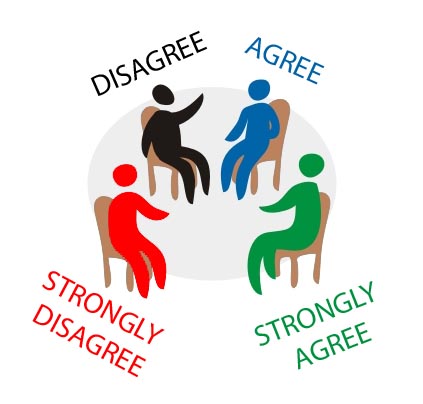
I love the idea of conducting a Four Corners Debate, especially for an intermediate class. I stumbled upon this idea from the Ontario Teachers' Blog page and could definitely see myself using it in my classroom. 
Here's how it works:

Step 1) Hang a piece of chart paper up in each corner of the classroom (Four charts in total labelled Strongly Agree, Agree, Disagree, Strongly Disagree).
Step 2) Present a controversial topic to the class (eg. Should students wear uniforms in school).
Step 3) Have students decide which of the four categories they would like to argue for and write down some key points to support their argument.
Step 4) Student move to the corner that best represents their position, discuss their supporting points as a group, and then write the points down on the chart paper.
Step 5) After a few minutes of collaboration, each group presents their ideas to the class in attempt to persuade others to join their side.
Step 6) Allow students to change sides at any time during the debate if they decide to change their mind.

This is a great way to get students to communicate, collaborate, present, and debate without the pressure of having to do a formal presentation. It is a fun activity that corresponds with Language Curriculum for the grade 7 Oral Communication strand (page 125) under Speaking to Communicate:

2.1 identify a range of purposes for speaking and explain how the purpose and intended audience might influence the choice of speaking strategies (to interest classmates in a social issue through a debate; to solve problems or investigate issues and ideas through a group brainstorming session)

Retrieved from https://ontarioteachers.files.wordpress.com/2015/01/4-corners-debate.jpg

Presentation Tips 
Students may or may not enjoy making class presentations, but there are things that we can do to help them succeed. The best way to prepare your students for presentations is to provide them with useful tips to keep in mind while they are in front of the class or an audience. I found a great video by Mr. Brewer that highlights the main characteristics of a good oral presentation. He discusses the importance of volume, pace, expression, body language, eye contact, and being prepared during a presentation. 

This engaging video is directed towards elementary school students and demonstrates the dos and don'ts of oral presentations. It would be beneficial for a class to watch this video near the beginning of the term to help them establish good oral communication skills and to help develop those skills throughout the year. This video would be useful for preparing students with presentations, public speaking assignments, class debates, and even with lessons where students are asked to read out loud in front of the class. Check out the video of Mr. Brewer below:


Retrieved from https://www.youtube.com/watch?v=QKOO99UjsSE


Communicating Through Dramatic Arts 
The arts can be a fantastic platform for developing oral communication skills. Drama classes provide ample opportunities for students to create, speak, read, improvise, and act in front of others. There are so many games and activities that can make drama class fun and appealing in a way that takes the edge off of public speaking. Personally, I always found it easier to speak in front the class when I could take on the role of a character during drama (or hide behind my character). 

One of the best drama games that encourages oral communication is called Yes, And?. This game can be played in partners, but I prefer to play it as a group. It begins with one person who creates a statement and speaks it out loud (eg. Today my family and I are going to get our Christmas tree). The next person has to continue the conversation by starting with the words "Yes, and...". As you move along, each person must create a continuation to the story with a sentence that begins with the words "Yes, and". 


Watch the short video below or take a look at the Drama Notebook website if you'd like to see a demonstration of this game. 


            Retrieved from https://www.youtube.com/watch?v=Qe2a3ppacUk

This game can relate to the oral communication strand in the Language Curriculum under Speaking to Communicate for the grade 7 Specific Expectations (Page 125):

Clarity and Coherence 2.3 communicate orally in a clear, coherent manner, using a structure and style appropriate to both the topic and the intended audience.
Appropriate Language 2.4 use appropriate words, phrases, and terminology from the full range of their vocabulary
Vocal Skills and Strategies 2.5 identify a range of vocal effects, including tone, pace, pitch, volume, and a variety of sound effects, and use them appropriately and with sensitivity towards cultural differences to communicate their meaning

Sunday, November 5, 2017

Make Writing Class Fun

How do you get your class to write? Sometimes it can be difficult, but depending on the group of kids, there are many different ways to spice up your language arts class. Here are some of my favourite creative writing ideas for junior / intermediate grades.


Word  Wheels
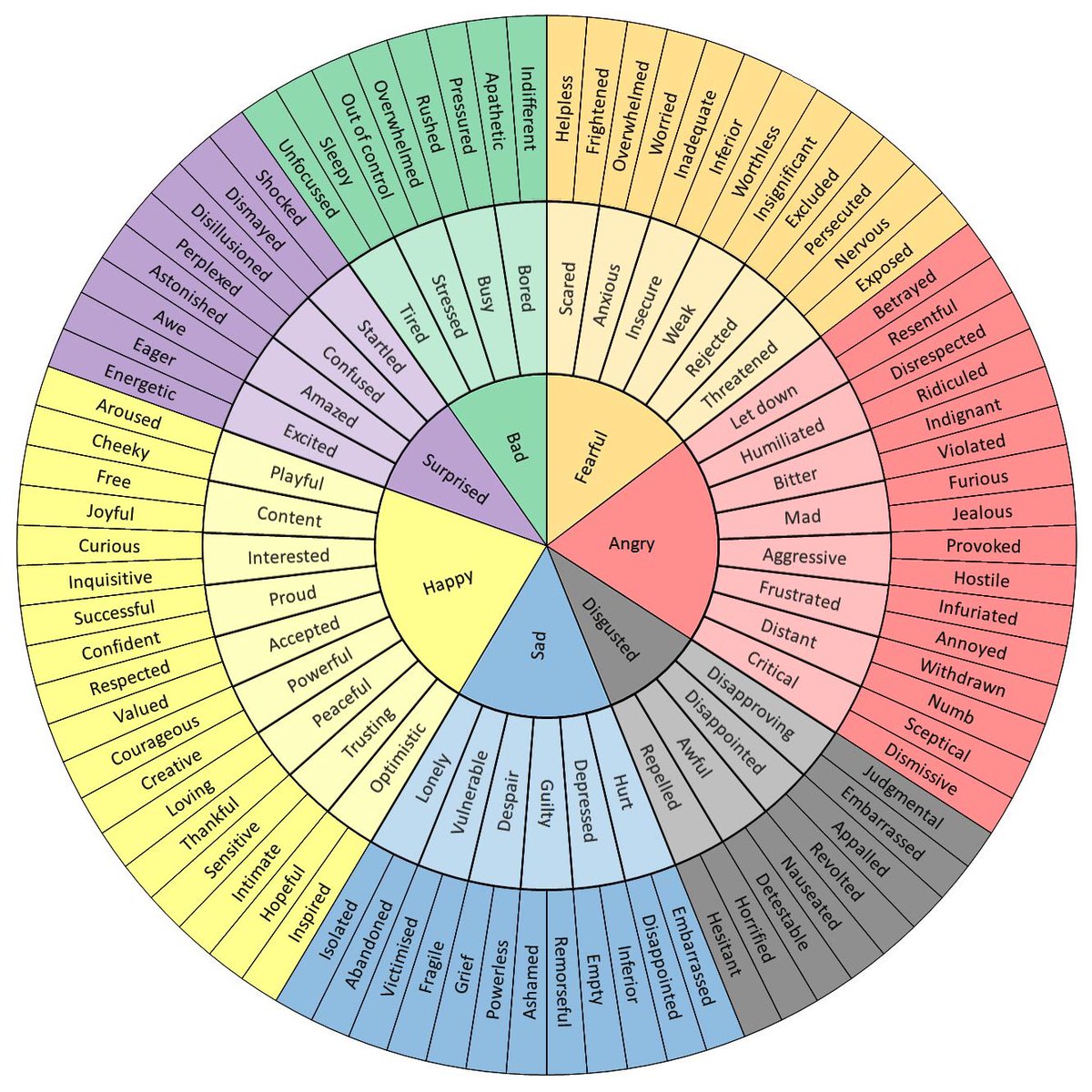
Retrieved from https://pbs.twimg.com/media/Cgle_rDWYAAF49r.jpg


These are great tools for helping students with vocabulary and synonyms. There are also many different types of word wheels that are based around different topics, so students could use it as a resource for developing sentences in relation to their writing theme.

For example, for a writing assignment, instruct students to pick three base words from the center of the wheel and have them expand using at least one additional word from each of the following levels on the wheel. So, as a student, if I choose to write using the word "angry", I would also include words like "frustrated" and "annoyed" from my word wheel in my writing.

This activity allows students to form their own ideas, with the help of word suggestions. Word wheels can be useful to students with everyday writing and would make for a great handout to keep in their binders or even to put on display in the classroom.


Snowball  Writing
 I love the idea of snowball writing! It can really get the wheels turning and allow for an interactive collaborative writing activity. So what is snowball writing? Let me explain how it works. First, students begin by writing part of a story on a piece of paper (it can be based on an image or idea). Then the students crumple their papers into a ball (the snowball) and throw them to the front of the class. Next, the students go to the front and pick up a new snowball and continue the story. Once finished, the story returns to the first writer who then rewrites a good copy. 

This is an activity that can be done in a variety of different ways. The writing can be based on a specific topic, subject, or story discussed in class, and the snowball effect can even be extended between 3 or 4 different student writers. There are so many ways to adapt this activity for desired grade levels and writing strands.

Retrieved from https://www.teacherspayteachers.com/Product/WRITING-ACTIVITY-SNOWBALL-WRITING-649424


Newspaper  Generator
Here is an interesting way to use technology for a writing activity with your class. Most students should be familiar with newspapers and the purpose of news articles. Even if they are not, it's still exciting to see your work transformed into an "old fashioned" newspaper article... or at least I think so. The website www.fodey.com has a fast and easy newspaper generator that allows you to add your own date, title, and story. With the click of a button, your work is converted into an newspaper image that you can download onto your computer and print or share online. Take a look at a sample that I created in under two minutes on the fodey website:

Created with https://www.fodey.com/generators/newspaper/snippet.asp


Curriculum Connections 
Although it is great to introduce fun and creative activities with your class, it's also important to make sure they are grade appropriate and correspond with the curriculum. In relation to the writing strand in the Ontario Curriculum for Language, students should develop four overall expectations (Page 12).

1) "generate, gather, and organize ideas and information for an intended purpose and audience." 
2) "draft and revise their writing, using a variety of informational, literary, and graphic forms." 
3) "use editing, proofreading, and publishing skills and strategies." 
4) "reflect on and identify their strength as writers" 

There are very many creative writing activities for students of all ages that can relate to the curriculum. As long as you find resources that appeal to your class, students can develop language skills in school and even enjoy the process.

Sunday, October 22, 2017

Multilevel Texts for Elementary Reading

Farmer, Kimberly (June 16, 2017), A Collection of Books
[Online Image] Retrieved from
 https://unsplash.com/photos/lUaaKCUANVI
We all know that students are different and have their own strengths and weaknesses, especially in relation to reading ability. But not all students are capable of working at their expected grade level, and are sometimes found struggling through classes. This is something that is basically seen in every classroom and with every grade but is difficult to address on a daily basis. As educators, how do we create an inclusive classroom and develop lessons for multilevel groups of students? I've done some research and found several fabulous resources for developing reading skills with a multilevel class of elementary school students.


Creating Comics Based on Readings

I was really excited when I discovered this resource and absolutely love the idea of using comics to help students with reading and comprehension. The article Beyond the Sticky Note and Venn Diagram outlines several different apps and online activities that can help students with reading and writing. It also suggests strategies for using these resources for specific educational purposes. 

For example, Make Beliefs Comix, a free and easy online comic strip maker, can be used to have students reiterate information learned in a reading. After reading a story, students could then create a comic strip to illustrate the characters and plot from the reading. This is definitely something that I would use to spruce up a language arts lesson with my students, and it can be a fun activity for both junior and intermediate students. The Make Beliefs Comix website is very straightforward and has a lot of character, background, and text options. I was able to make the following comic strip very easily using the website:

http://www.makebeliefscomix.com/Comix/
  
Multilevel Texts for the Classroom

After some time of researching multilevel texts, I stumbled upon a useful and informative article by Catherine Cornford titled, Using Multilevel Texts: Supporting Literacy in the Inclusive Classroom. This article is full of information and resource ideas for multilevel texts that can be used in schools. If you're able to get your hands on one or all of these resources, they can make wonderful reading lessons that promote an inclusive classroom.

One of my favourites from Cornford's article is What Really Happened to Humpty (Ransom, 2009), an interactive storybook loaded with additional activities such as a character word search and fill-in-the-blank questions. It basically does the lesson planning for you by providing blank work pages and answer sheets. You can't go wrong with that!

My other favourite is Walk with a Wolf (Howker, 1997), a picture book written in both simple and advanced formats and also comes with a CD including music and sound clips. Students at many different levels can read and understand this book and develop their knowledge about wolves. Check out the link below to listen to a sample of the CD recording.


Walk with a Wolf by Janni Howker from Candlewick Press on Vimeo.


Keeping in Line With the Curriculum 

Although we want to find new and interactive ways to make learning fun, it is important to make sure that curriculum guidelines are being met. The essential principles regarding the teaching of reading are outlined on page 10 of the Ontario Curriculum Grades 1-8, Language. Students require a balanced reading program to develop their knowledge, communication, and reading skills. Teachers must be observant of student strengths and needs, and provide appropriate strategies that cater to the students’ levels of comprehension. Students are expected to read and understand several different types of texts, have the ability to read fluently, and be able to reflect on their reading abilities. Our job as teachers is to assist students in developing these skills through a variety of different approaches. 

I believe that using multilevel resources can help create an inclusive classroom and accomplish these goals for all students. 

Oral Communication for Intermediate Grades

The thought of public speaking can make most stomach's turn. After all, its proper term Glossophobia is statistically proven to be fear...